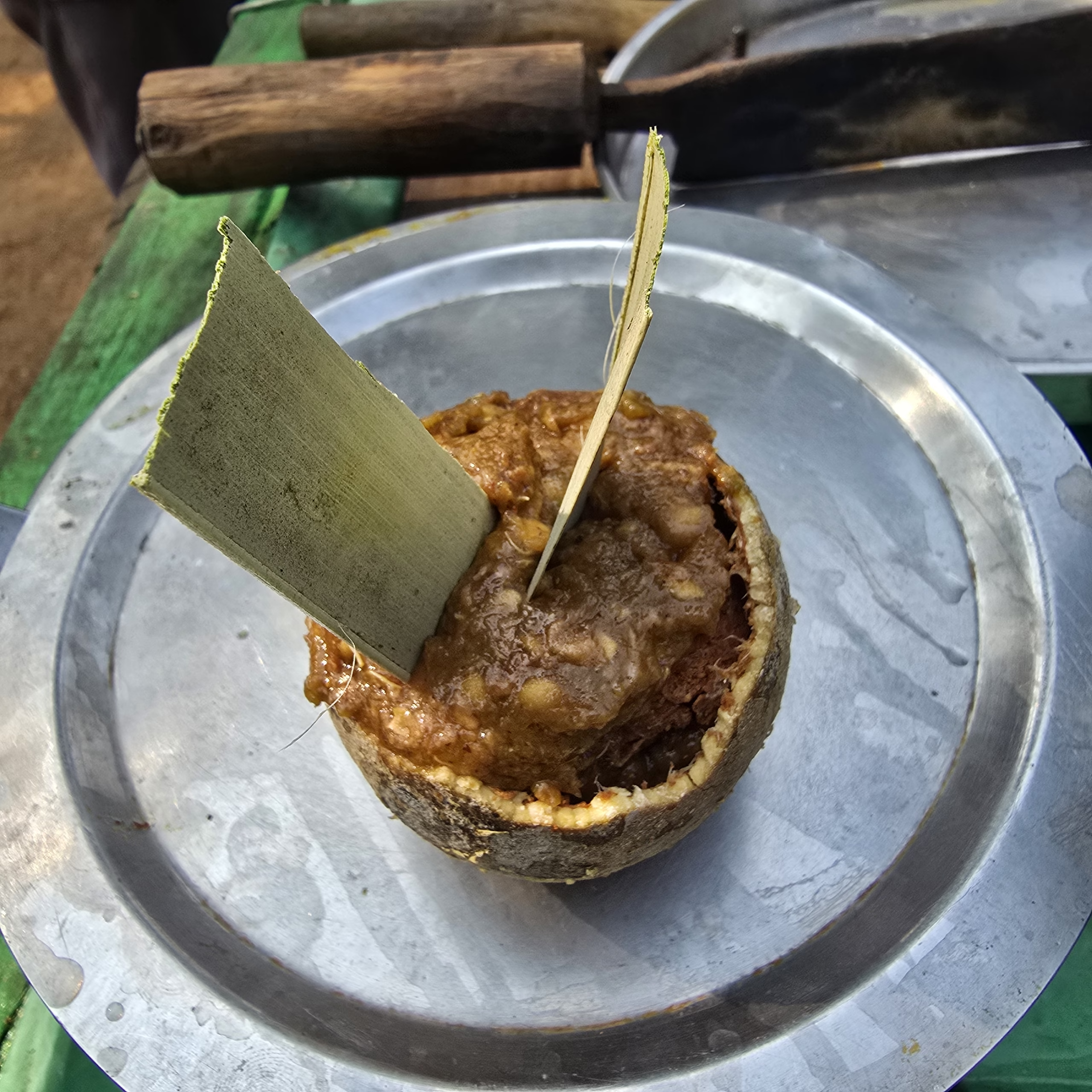
I had kath bel makha as a child and on our trip to Shantiniketan, I remembered it. Kath bel (pronounced as koth bael) is an indigenous fruit. It is native to the Indian subcontinent and is also known as wood apple.
My mother and I are visiting Shantiniketan- my first trip surprisingly. It’s famous for the university where Rabindranath Tagore taught and created a sanctuary for developing many works of art. We are staying at an uncle’s holiday home there (he visits occasionally) which is mostly empty except for a caretaker.
This post is a little bit about our explorations during travel with local food, a few art exhibits -getting a flavour of fresh learnings from simple people who are down to earth and more grounded. We find most of them very hopeful at the start of this year.
Getting to and from Shantiniketan
We took a train from Howrah station to Bolpur which is the nearest station. The new Vande Bharat train is very comfortable with plenty of space in the seats. The journey took us only 1.30 hrs. It was punctuated by several rounds of food served- tea, biscuits first and then breakfast. Reminded me of a short flight actually. My only grouse is the state of the toilets. Definitely, needs improvement.
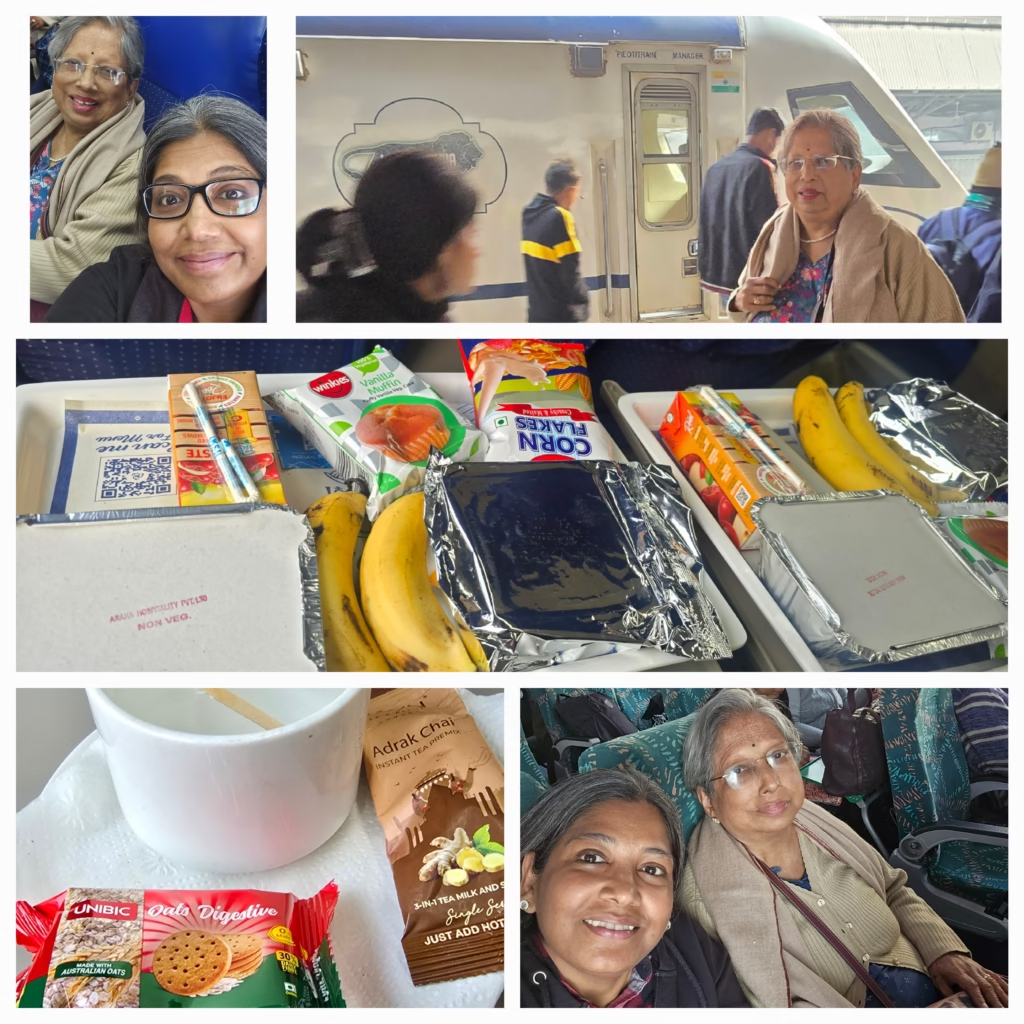
It was far better than the Shantiniketan express which we took on our way back. That train ride was also comfortable. But it took double the time, seats were a bit more cramped and toilets were worse. You got to buy local snacks (jhalmuri, lebu cha, candies, biscuits etc sold by vendors called pheriwalas). And we had a bit more time to read or nap on the way back.
I noticed many students and foreigners were on the train ride back. The afternoon timing of the Shantiniketan Express maybe more suitable for many tourists. Especially those who don’t like the early morning timing of Vande Bharat.
There was no kath bel makha on the train ride.
Shantiniketan trip may seem like fun
We are fetched from the nearest Bolpur station in a local “Toto” which is like an open auto. It is driven by the caretaker’s son, Anup. Anup is very responsible and seems to be quite punctual. He knows the area well and is our local guide as well. I ask Anup about kath bel and he said, it might be available in the nearby vegetable market.
He helps Ma to get up and get down from that Toto which is quite a task in itself. I am keen to hire a car instead seeing the entire process which is quite painful for her. But she seems to like the Toto ride more.
At her age, she’s more whimsical than a 5-year-old child. Asking me to shift seats randomly from one side to the other every time we get on the Toto.

Basically, she will order around anyone in plain sight for no rhyme or reason. If you comply- that makes her happy. It also distracts attention from her own follies and idiosyncrasies.
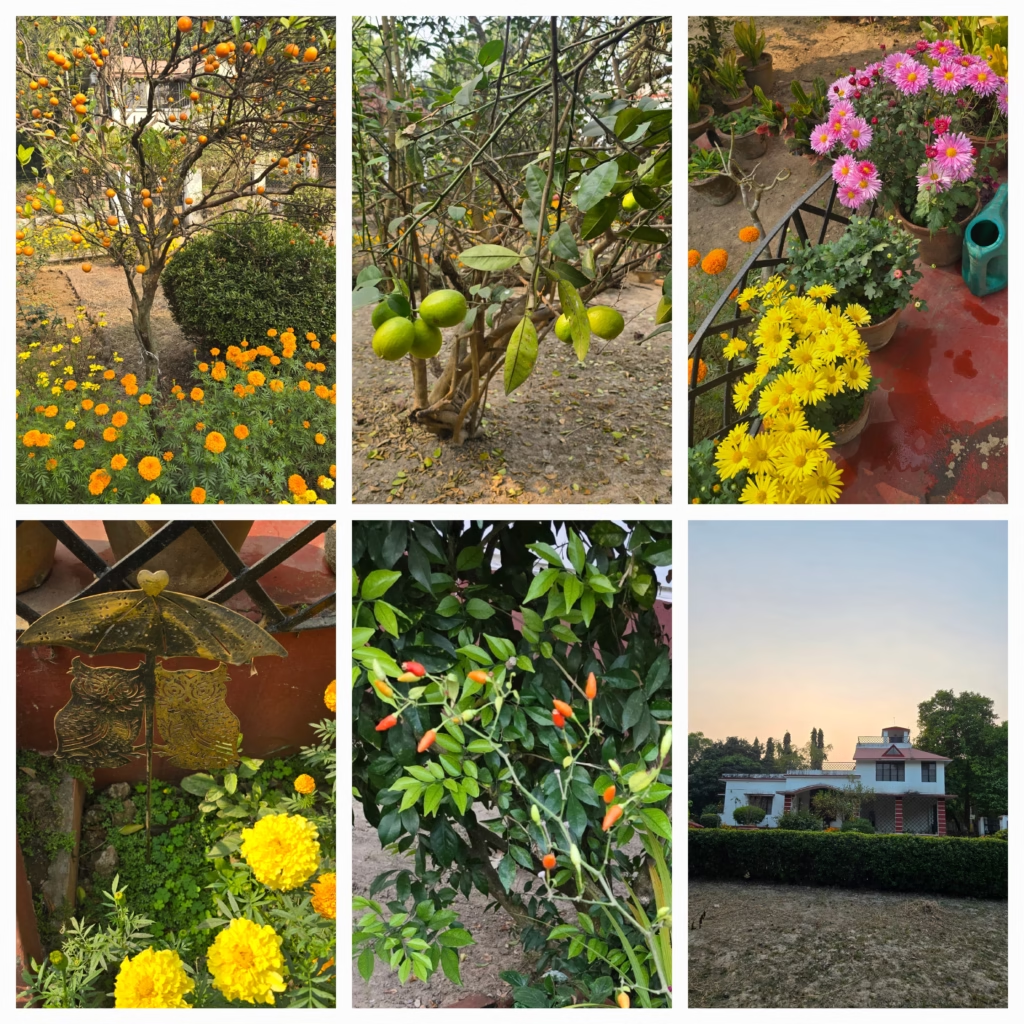
The caretaker, Adhibas tends to the gardens, keeps the house secure and is quite a bit of a “Rabindrik” character. He is fond of singing baul folk songs by Lallan with a harmonium gifted by my uncle. My mother asked him to sing a song and he happily did so. Next morning he was up at the crack of dawn singing again. This time he was curtly asked to stop or lower the volume by Ma.
The house has several cats running around the grounds, and I noticed that most of them were very well fed. Food was definitely very good in Shantiniketan.
Kath Bel and Bel are Different
I have had more of the bigger sweet bael which is used to make a cooling drink during summers just like neembu pani or shikanji. As children we had many versions of that drink called belpana– either made on its own or mixed with milk/curd. Supposed to have therapeutic cooling properties. It is good for cleansing of the digestive system and also for curing minor coughs and colds.
The difference between Kath bel and normal bael is that kath bel is much smaller in size. It tastes sweet and sour while normal bel is a bit sweet and caustic (strong herbal flavour). The outer shell is brownish (darker coloured) while the bigger bel fruit has a light green coloured shell.
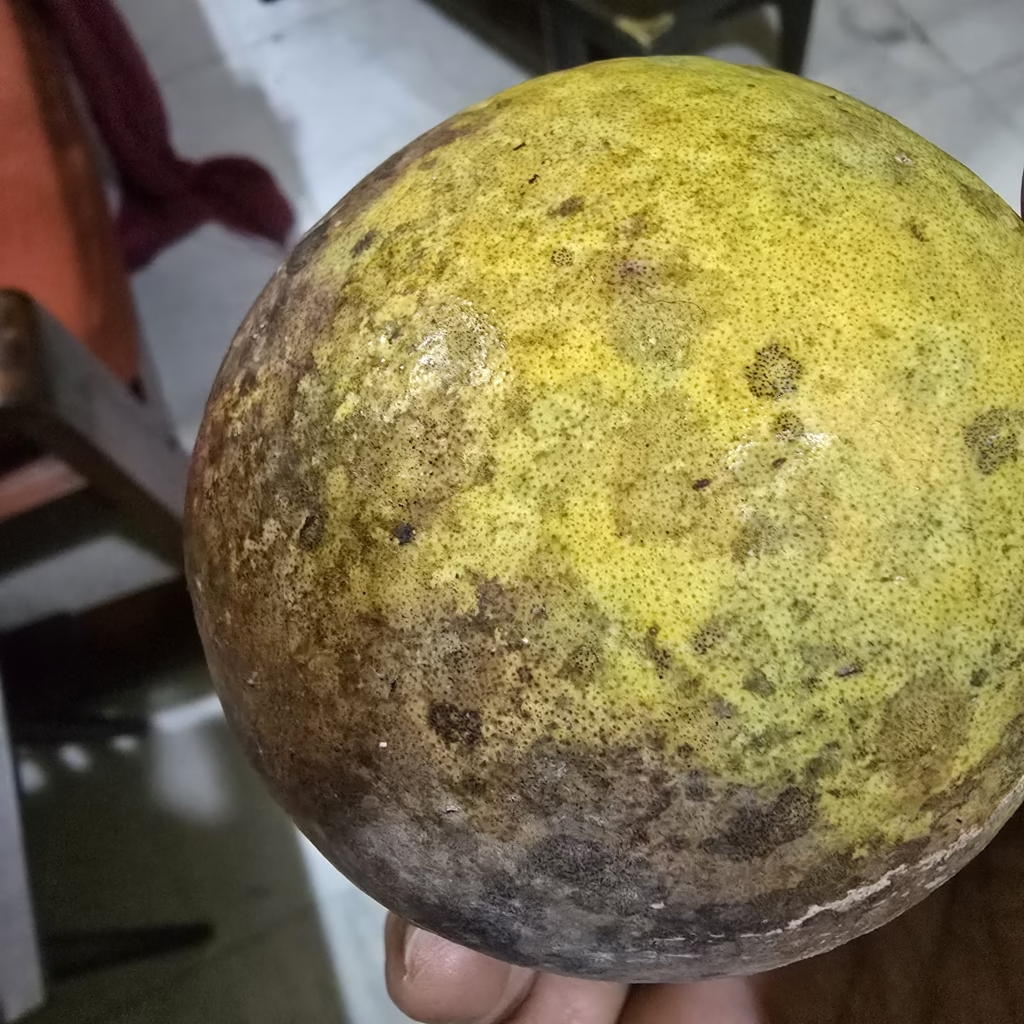
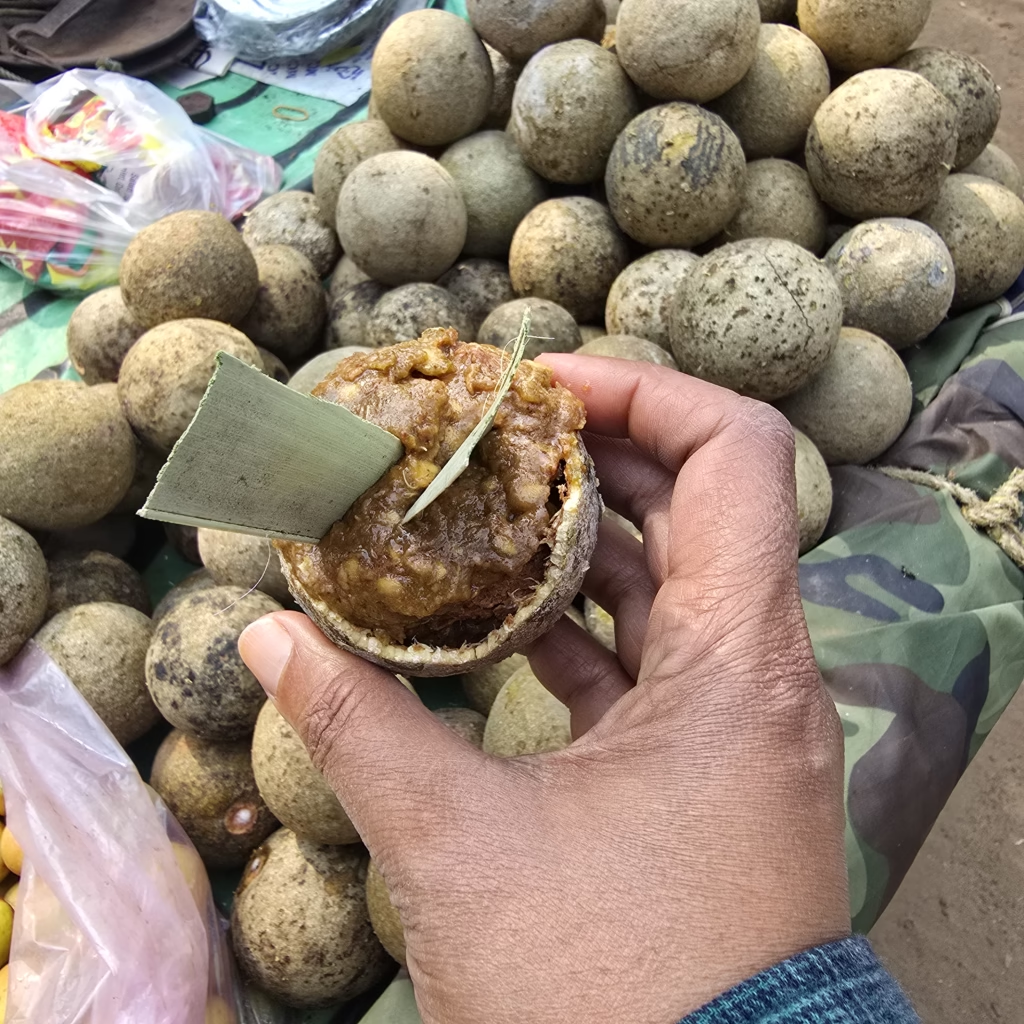
When the kath bel fruit is ripe, the pulp inside is dark burnished mahogany brown (almost Sienna). It has a fibrous pulp with many small (edible) seeds.
Same family but different taste
For bel, when the fruit is ripe, the pulp is a shade of yellow- ochre or cadmium. With bits of orange pulp with a resinous texture. You can dissolve this pulp in water, strain or filter it. Then you mix it with salt and/or sugar to make drinks with it. We were forced to drink this as kids while we would always crave for store bought soda drinks. Perhaps, that’s why we hated it so much! And yes, it has a peculiar sticky sweet herbal fragrance. And a slightly viscous almost medicinal flavour that makes it not so endearing to many.
Now that I don’t drink it so much and rarely find it in many households, I am craving this drink. Perhaps, it’s in the aftermath of remembering that some of these cherished heritage foods have almost disappeared. Much like the memory of many of my elders and family members who are no more. You don’t want too much of this- but the nostalgic trip to your hometown seems incomplete without it.
Peaceful Foodie Art trails in Shantiniketan
I walked through the Vishwa Bharati campus with my ageing mother who limped along bravely. I realised that this was my first trip to Shantiniketan. She has been there several times with many friends or family who are no more. It’s surprising how easily she is able to dismiss others.
I have to hear her continuous idle chatter about a few people. I’m trying to filter it all out as I take in the cleaned-up campus streets. My mother complains that much of it is out of bounds for tourists now. I observe that maybe why some of it still looks clean and preserved from the outside.
Ramkinkar Baij, Ganesh Haloi and Benodebehari Mukherjee
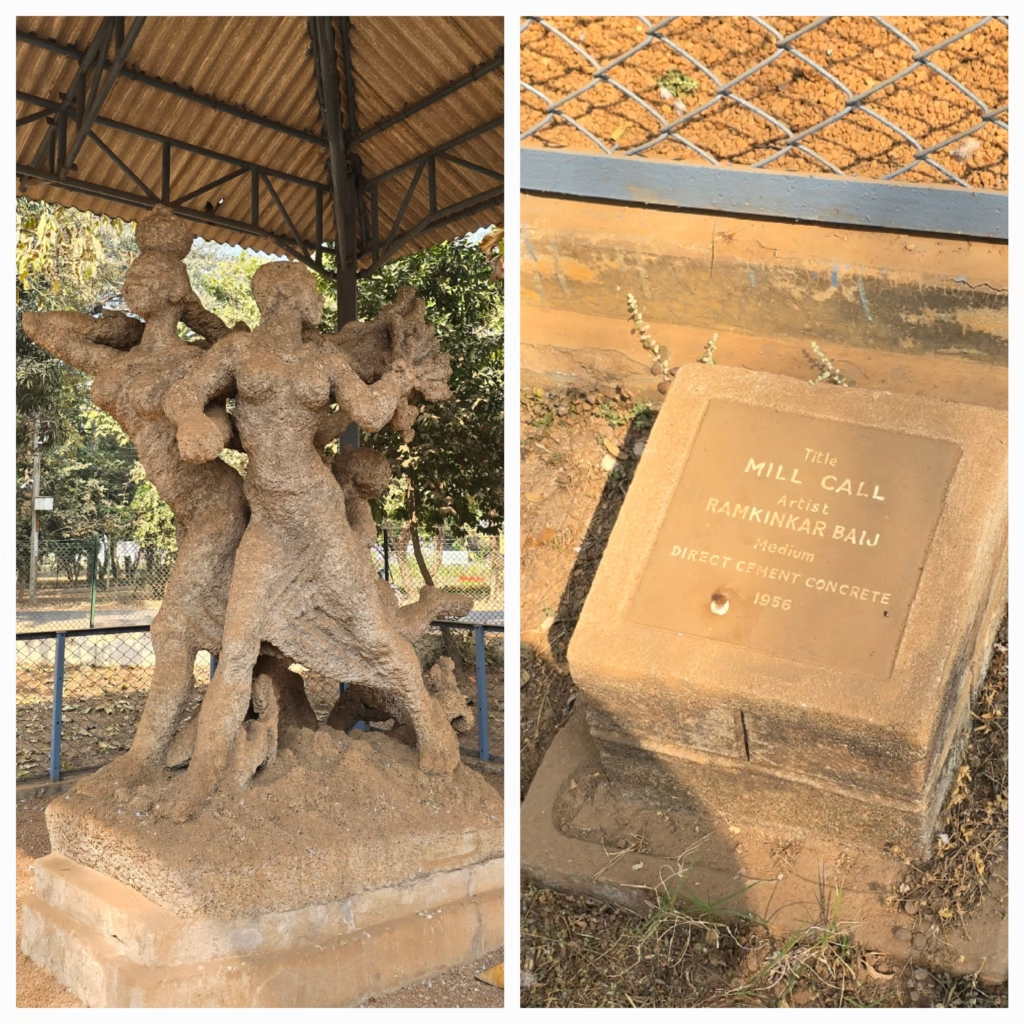
My special memory is the painting exhibition of early works of Ganesh Haloi and Benode Behari Mukherjee. Photography was not allowed so I can’t share pics here.
I walked through the exhibit of Ganesh Haloi’s tracings of the Ajanta caves paintings. Most of the unfinished line drawings on paper (almost like free hand tracings) leave me spellbound. It’s displayed to share an understanding of how his practice took up his entire self. Almost like being absorbed in a prayer. There’s a final small painting towards the end of the exhibit of the finished artform with all the colours. I’m enthralled by the finesse in the lines and the stunning effect of the muted earthy colours. The almost ethereal form of beauty captured through the lens of a sublime mind leaves me feeling so small.
I walked up to the next floor to see Benode Behari’s early artworks exhibit. This one was even more overwhelming. These were from a period of his work before he turned blind. Definitely had a significant touch of eastern or Japanese art to my untrained and untutored mind. The brushstrokes were clear, sharp, playful or whimsical. Almost like calligraphy if you looked at a smaller minute portion in the canvas. I wish I had more time.
Argument for buying Kath Bel
Ma was sitting downstairs outside the Kala Bhavan museum in a chair reserved for the ticket taker. Funnily, we did find a female ticket taker later in our train journey back from Bolpur. She had a huge belly just like Ma.
My mother is sporting enough to take a bit of teasing from me- but most of our trip is strained. She’s become like a petulant little child- most unreasonable in her opinions and statements.
She alternates between trying to show how she is still young- and crying about her aching old bones. And yet, there’s a part of me which acknowledges and encourages her effort to keep on moving at least.
Having gone through debilitating arthritic pains myself, seeing her I remember the horrendous shooting pains in my joints. I have a vivid memory of how that prevented me from doing simple things in life. Living almost like a crippled old woman when I was barely in my early 40s. And left to deal with it by an uncaring husband who only appeared intermittently to blame me further.
Her effort to keep moving is better than sitting and sharing idle commentary/gossip about others (called PNPC- paraninda paracharcha). There’s loud public squabbles from her to pay Rs 50 or Rs 100 for something to street vendors. Sometimes it is painfully embarrassing for me and at other times almost comical.
Having said that, I am myself in no condition to judge other’s foibles. I have had petty childish squabbles at work or with my siblings as well. Mostly I ended up paying for that anyways in more ways than one. 🙂
Evading difficult elders with swift decisions
Here’s an idea instead for a healthier body and mind. Let’s explore a few more nostalgic meals and memories for the sake of our older folks. Also, perhaps for saving a bit of our heritage, childhood stories and memories. It may be a learning for others who may not have experienced it themselves.

Does it mean anything when you don’t experience it yourself? I don’t know actually. It’s definitely more personal and relatable when you have experienced yourself.
The way our senses perceive something maybe similar but the associations maybe different. Sometimes due to the circumstances under which the experience came to us. And often evoking that from the past has a different flavour. Just like kath bel makha has a different flavour from regular sweet bel drink.
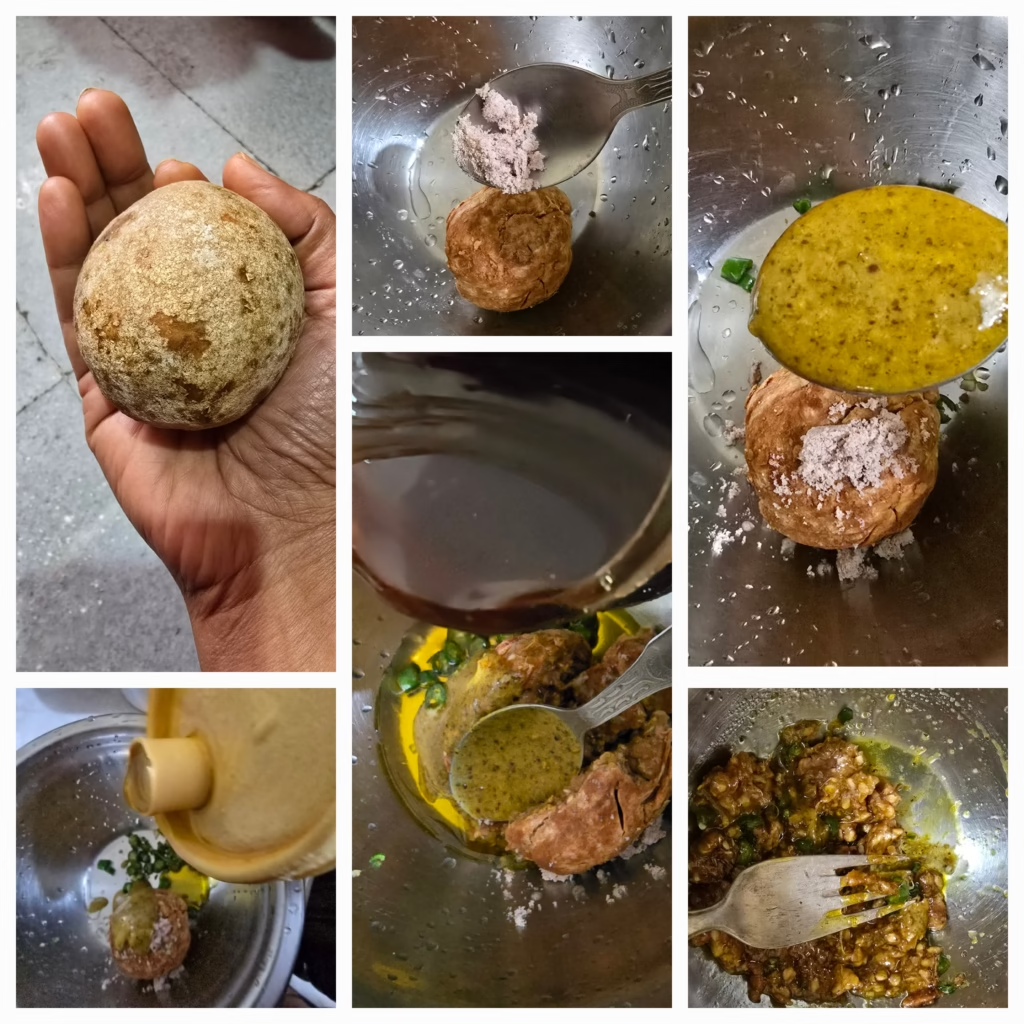
Breaking the kath bel is a bit of task for us. Luckily we have some help there. It is usually mixed with some salt, sugar, mustard oil, local mustard sauce (kasundi) and green chillies. A popular street snack which you may not have tasted.
Kath Bel Makha from Street Vendors
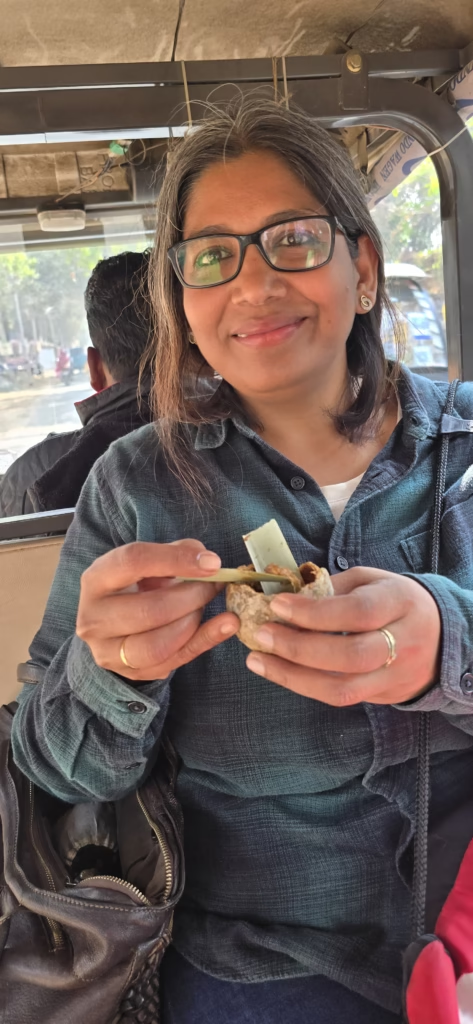
We were lucky to find a street vendor selling it at one end of the Vishwa Bharati University campus. He added some chaat masala, red chili powder and roasted cumin (jeera) powder as well. I think anything goes. It’s a humble and tasty snack.
Often eaten post meals in the afternoons by ladies or people who work in the kitchens. Some of us were fortunate as kids to have elderly folks (grandparents, parents, uncles, aunts or cooks) make this for us. Do try- you may get a whiff of poignant nostalgia as you revisit this unique classic relish.
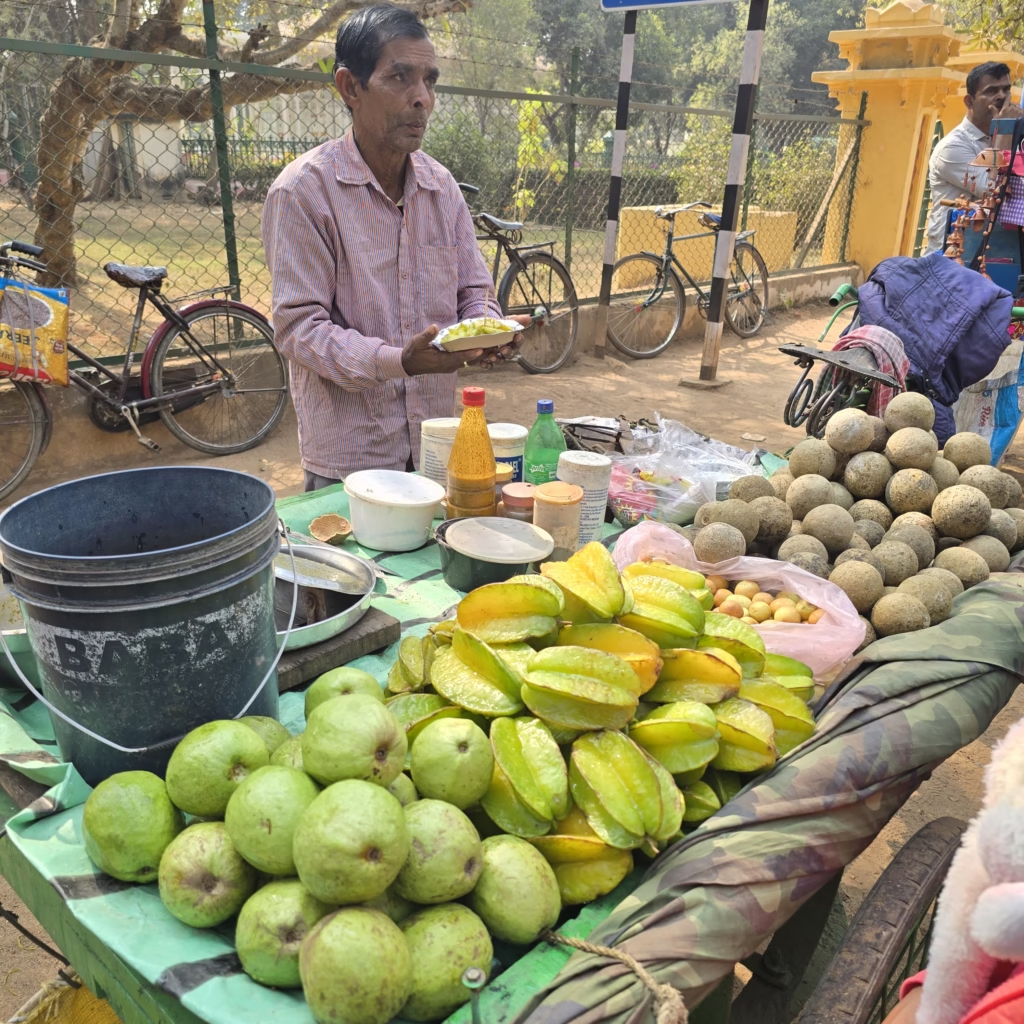
He was also selling a tart fruit salad with starfruit and/or guava– another favourite with children. I am partial towards kath bel this time because I find it so rarely. I searched in many supermarkets and even local vegetable markets earlier but couldn’t find it. It’s also a seasonal local produce- unlikely to be available round the year.
For others who may want to try this out of curiosity, my warning, it has a strong laxative property. So, have it in smaller portions and do check the hygiene levels where it is being prepared. I recommend buying this fruit from the market and making the relish yourself if you are able to do so.
Kool or Kath bel?
While on relishes, I must confess that I was torn between kool and kath bel. We hunted far and wide for this other seasonal pickle- kool er achar aka ber ka achar.
Kool or ber is another indigenous fruit which has a unique association with Saraswati puja celebrated this week. I am informed that they are also called Chinese red dates. Childhood folklores shared by mothers and aunts forbade us from eating this fruit before Vasant Panchami/ Saraswati Puja festival.
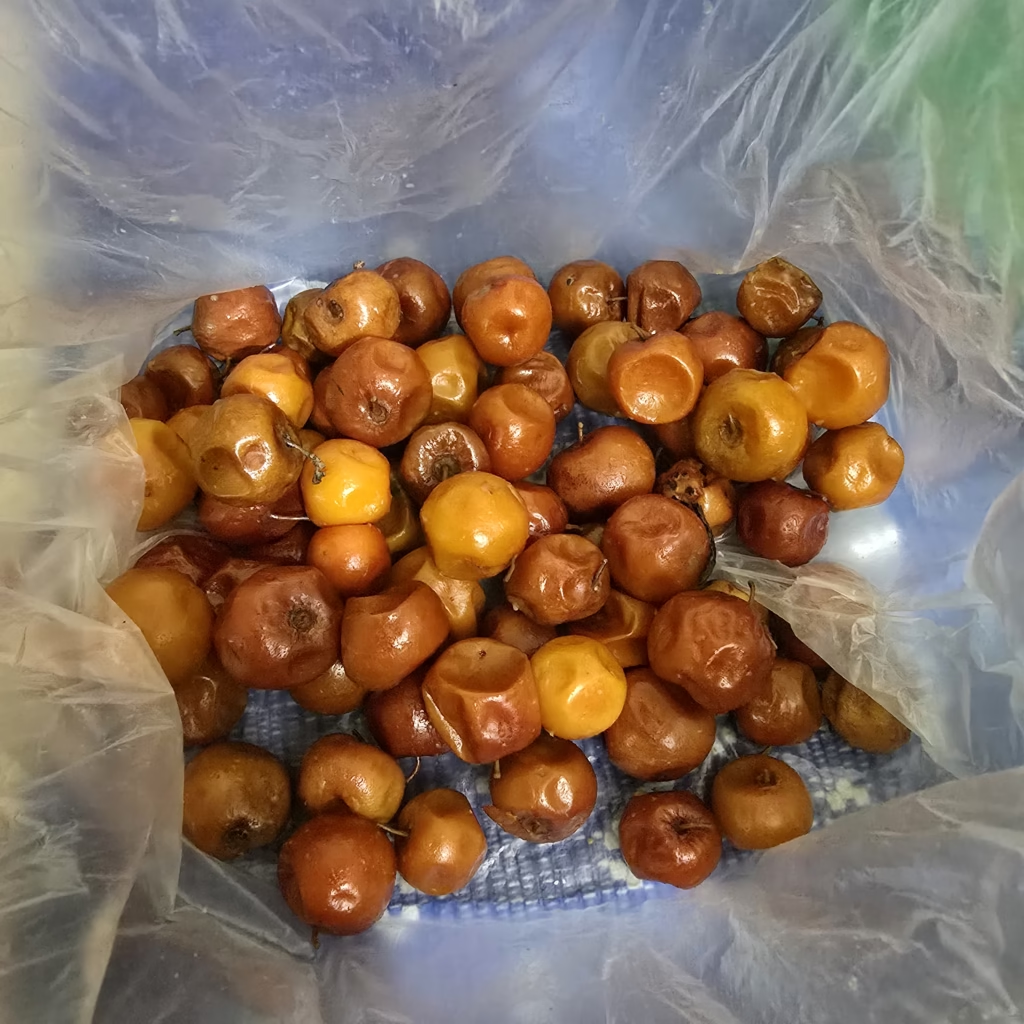
I think this was just another way matriarchy tried to control kids through fear mongering and folktales. We were told that we would fall sick before exams and fail if we ate ber/kool before Saraswati Puja. This festival is dedicated to the Goddess of Learning under Hindu traditions.
I am trying to dig deeper into this random superstition behind ber. I mean, did you not read about Shabari ke ber? There’s a ridiculous story about how Shabari took a bite of each ber for Shri Rama before serving. Or something like that. 😛
And here we have another story of how some guy took a bite of an apple. And fell down from heavenly abode tempted by the sins of the mortal earth. (Psst! So, can we do wood apple instead of apple? And shouldn’t we at least taste it before offering to others?)
Kath bel helps memory jog
Lampooning people’s much-loved myths and mythologies in a world veering towards right wing isolationism based upon fear mongering is necessary.
Us against the world is a common ploy used to find hordes of mice by Pied pipers. Thankfully we have a few fat cats and dogs as well. Not to mention cackling geese or swans. (I’m completely in the rural frame of mind.)
Well, I have another cooked up story from this land of multiple storytellers. If you eat this kath bel, or if you keep the bel intact (which one?) a miracle will happen. You will be married to the fruit and released from the curse of widowhood. (Ahem! You do need a laxative to let go of this one).
It may so happen, that you may desire being a widow than married to your callous and uncaring spouse. Anyways, let’s not bring those tittle tattle stories now. I find many of these stories are frequently contradicted by the storytellers themselves. You can ditch the myths and mythology from enlightened or darker forces. And get to work instead.
Important work like hunting for kath bel among other things. Making this kath bel makha and then trying it as a special festive dish. Perhaps celebrating learning of a different nature employing different parts of your brain. Does that make it more interesting for those with a more scientific bent of mind?
Signs of abuse- kath bel is a witness
We want women to appreciate the good things in life. But we also want them to pay for them- for themselves and their blissed-out sons. Some of them are sitting with manicured hands and hot towels on their feet. (Doesn’t add up- so respect comes from working and yet it is given to those who are hardly working). Sitting on their highchairs and demanding that others do random work as per their bidding.
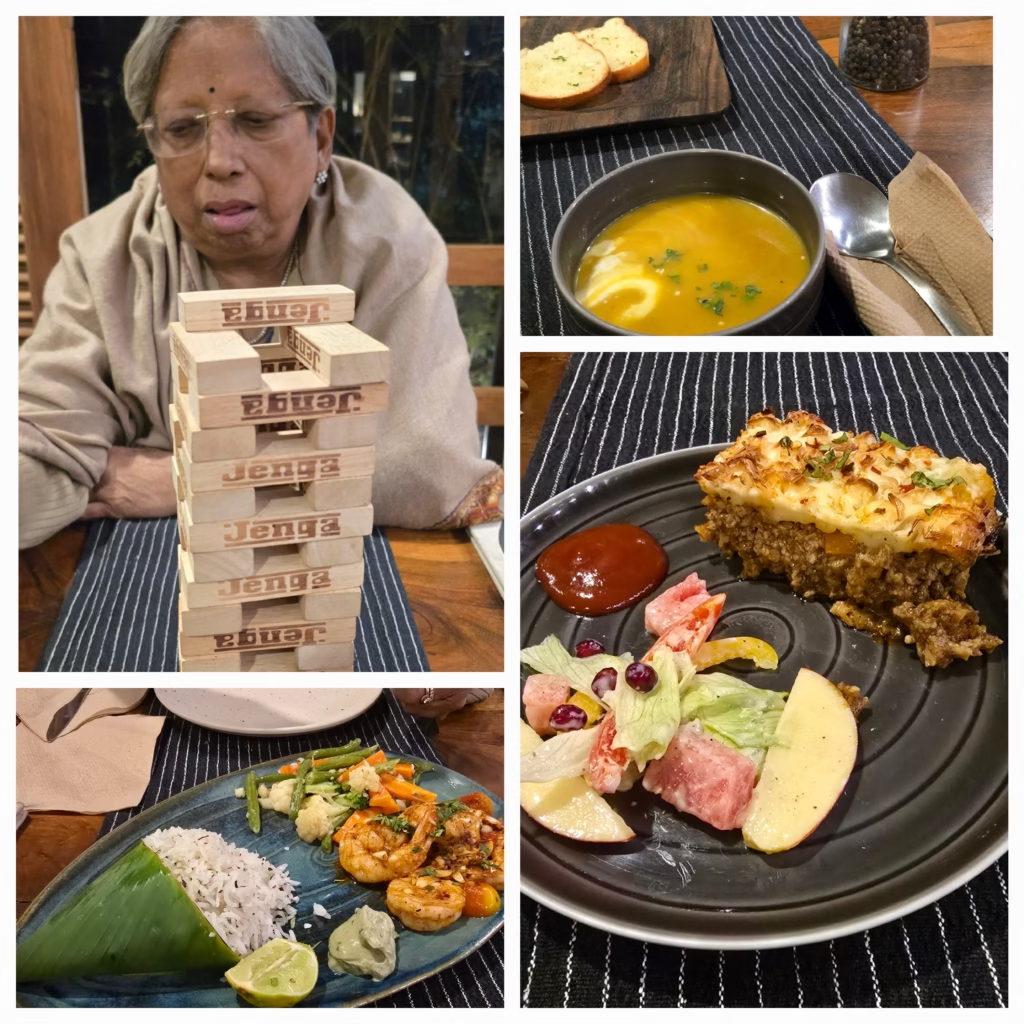
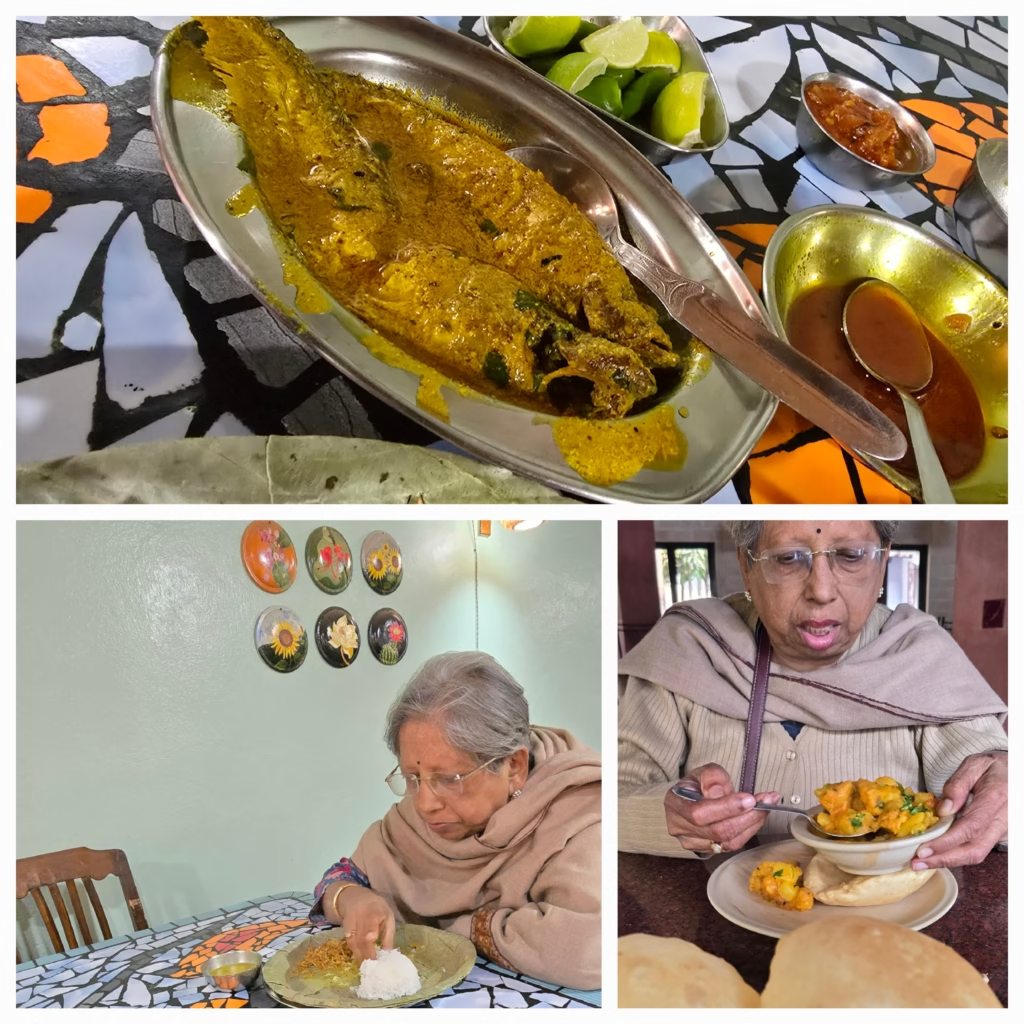
Ma likes good food so here was my attempt to find a good place to lunch. We had a decent Bengali lunch at a resort called Banalaxmi and a hurried but hearty breakfast at another called Chhuti. Both recommended by my uncle.
Banalaxmi also had a shop where you could buy some of the local cottage industry products. We tried their ghee during lunch which was delicious. They also had other pickles, nolengur and spices.
I am quite at odds with learnings from those who did nothing to help me. There were advice and suggestions from many who we actually helped during difficult times.
After the difficulties passed, their learning also stopped. They sat and basked in the sun much like those fat cats which slept in the garden and the terrace. Apparently, these cats survived only on muri (puffed rice) and nothing else. 🙂
I have heard taller tales- perhaps they amuse those who have actually not gone through that hardship in life. Of days spent in silence or deprivation, simply to be able to sleep peacefully like an honest person.
I was admonished with usual words- we have all gone through this! Which woman has not been questioned repeatedly on her place in her own home and treated worse than a maidservant?
Kath bel was just a small side dish
Why did I spend so much time on this insignificant little side relish? It’s a reminder for me and others like me. Perhaps, we owe our lives to a few people who helped us grow up through many of these stories. People who actually taught us and filled in for absentee parents.
When many of my friends are out in their workplaces, they rely on others to feed their kids. We know that it remains a big mystery why children take to some foods more than others. My mother is grandly pretending to care now after many years of not knowing or caring. Nobody asked whether I ate even a single meal for years.
All this because she is jobless and I am here at home currently as a visible reminder. An uncomfortable reminder of all the ways in which I was forgotten by her. Only summoned when there was a tricky or difficult job to be done.
After the job is done, she and others get the benefits while I get the blame for the disturbance. Chaos is created during the process of pushing through mountains of obstacles and inertia of set ways. I saw this repeated several times in my life.
And its a thankless job. Thankless and easily forgotten – like the fall guy/girl who takes the blame when things go awry. The sharpest cut of all- “you don’t belong“.
Well, I was asked to leave through different ways by others in each camp. I have no other way but to say- yes, I don’t belong.
I may be asked to cut off my thumb. But no. I’m not blind. Yet.
Mixing Kath bel with Upasana
It’s such an easy recipe that I feel a bit embarrassed to even talk about it at great length. Perhaps I do so as an homage to those who grew this fruit, sold it and made it for others. Just the simple act of doing the same thing every day maybe the challenge for many.
Can you imagine your entire life picking these fruits, taking a cart and trying to mix it for casual passersby? Selling some days and returning with a few hard-earned rupees to a family that waits eagerly for their simple dinner?
I may be sitting in my clean clothes in a cafe somewhere and writing this. Drinking an unpronounceable tea or coffee which is the latest buzz amongst the marketing mavens. Yet here I am in a feeling of Upasana in memory of kath bel makha made by many for others.
Gayathri Mantra is forgotten
I’m making this today for Goddess Saraswati. I have almost lost faith in all gods and goddesses by now- even my faith in humans is tested.
But this much I know, if there’s somebody who benefits from this tomorrow, it will ensure this fruit lives on. I can’t plant this tree- I have no land. But others might and perhaps children will enjoy it in years to come.
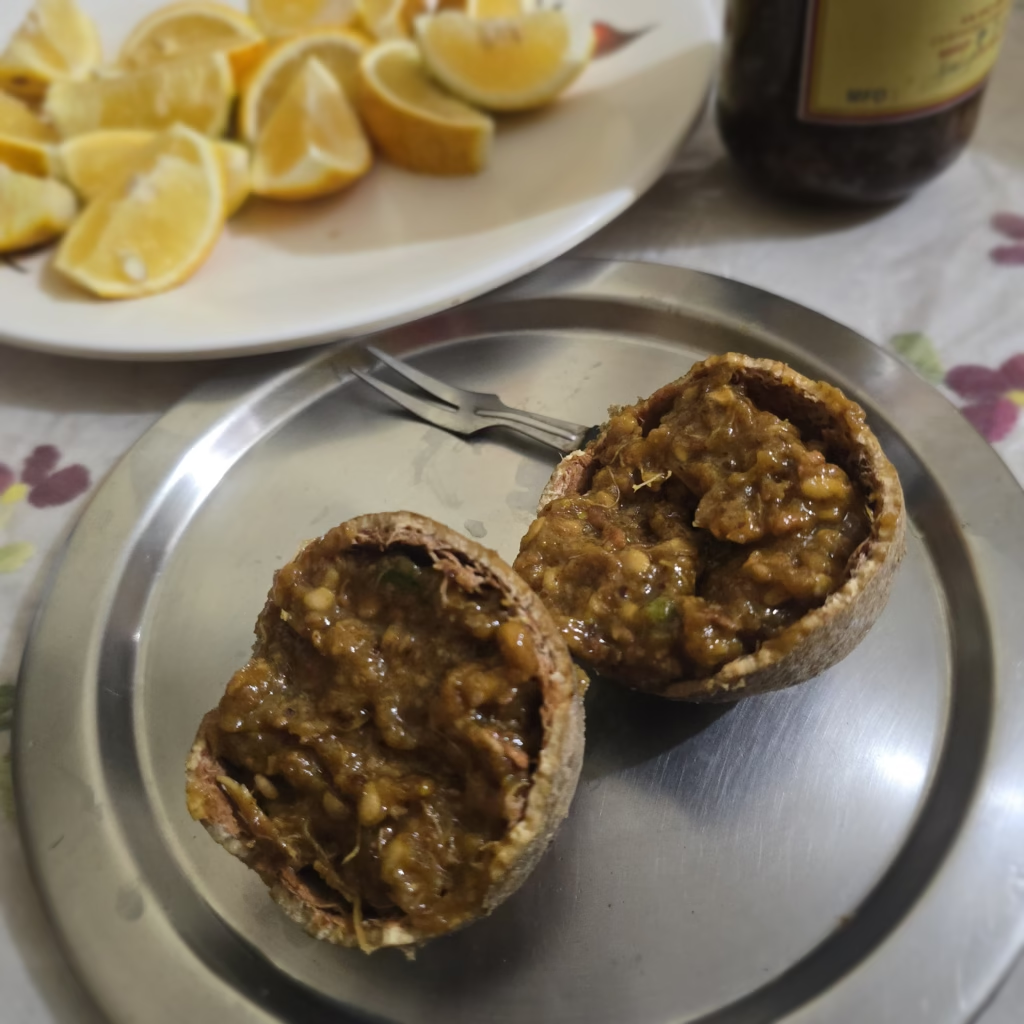
Such a simple logic and yet I struggle to share it with others. It’s my own failing and not others. It doesn’t look good and some may balk at the weird texture.
For that I remind myself over and over again, there’s still so much more to be gained. Sometimes by silent observation and remembrance.
So do watch the video below of how the kath bel makha is made. I have shared a little bit of how it was prepared by the street vendor. And then we did our own version in my mother’s humble home kitchen.
Footnote
Silence helps
When there is too much of noise
If you tried to dedicate yourself to learning
And learnt to work or share in the midst
Of a noisy bazaar, you might find your own work
Is full of the splashes of dirt and toxic waste
Loud, obnoxious and almost wild
And then there are a few who are fortunate
To have that peace and quiet required
To pursue the process of creating
Something which absorbs their senses
To the exclusion of the world outside.
I struggled and then I was blamed
By the same people who created that noise
That obstruction and the constant strife.
Do find your own little sanctuary
If you wish for the company of others
Then you are truly unable to create.
The inspiration comes from life
But that’s just 1%. Where’s the rest of the 99%?
Ma Saraswati asked me to leave aside the queries
And go forth in my quest around the world
I went around and returned to my hometown
And found it sadly depleted and more inimical
Through years of neglect and abuse
Unloving, uncaring and so alienating
That I truly feel- I do not belong anymore
Kath bel makha– you are a forgotten melody
A mix which belongs to a past which lies
In small little pockets in half forgotten moments
When you smiled or you cried- truly felt moved
And were impervious to the hatred and jibes
From the world that accused and called you names
You are what you are. But you leave behind
What you really do.
Our shop is small, but it’s
Made lovingly and honestly
By those who struggled against
Violence, hatred and apathy
Yet, rose up every day to create something
Even after the outer shell was emptied
Through your disdain, mockery and abuse.
Melting Lemon Drop 25.01.2026
Check for the ripeness of the kath bel before buying. There's a pungent sweet smell when the fruit is ripe
You can add roasted cumin powder, chaat masala, chopped coriander or other spices which go well with relishes.
You can also have this as a tasty chutney/pickle along with dal and rice. Kath Bel Makha
Print This
Ingredients
Instructions
Notes